Vestralio
Felted Soap: Information, Care, and Myth-Busting
Forget the idea that felted soap is only for the whimsical or the crafty. In my experience, this tactile practice marries utility with tradition, and each bar—wool-wrapped, hand-shaped—holds more meaning than first glance reveals. Here you’ll find facts, care tips, and context that go beyond the surface, inviting you to reconsider what handmade can be.
Gentle Exfoliation
Wool wrapping gently exfoliates, making each wash more pleasant without roughness.
Improved Longevity
With proper care, the felted layer helps the soap last longer and preserves its texture.
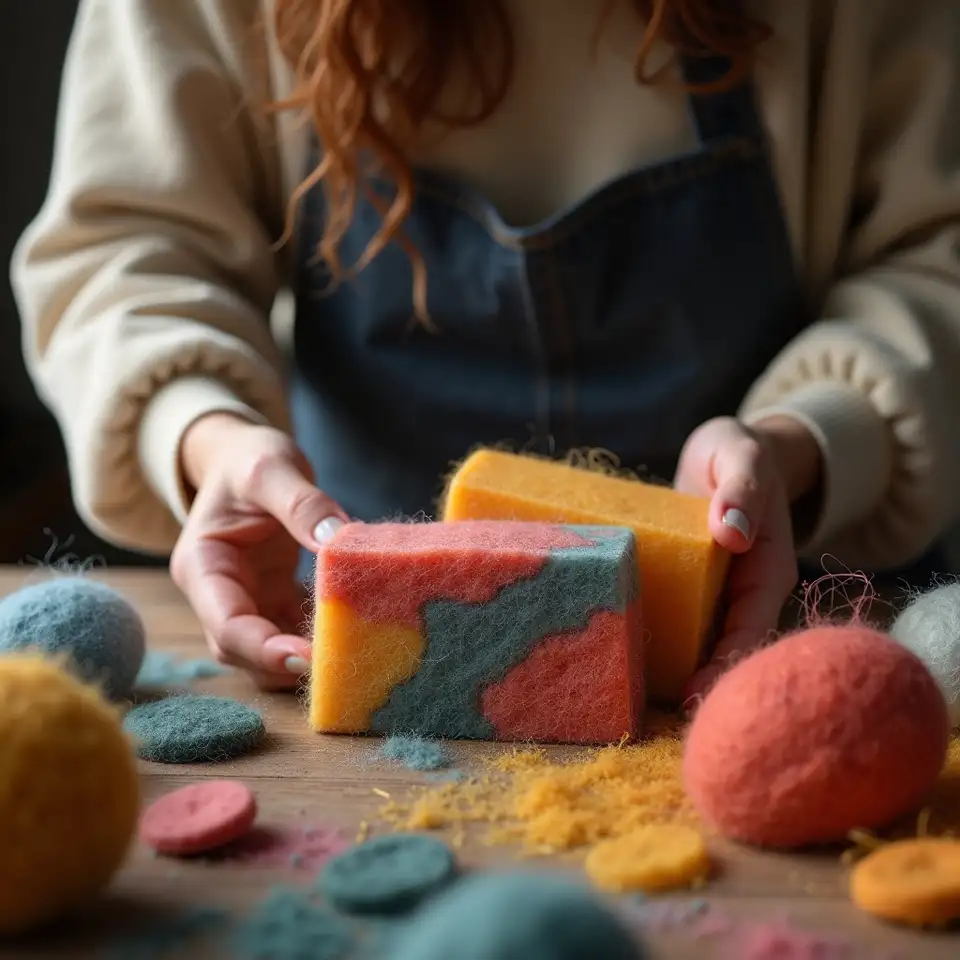
Practical details, user concerns, and myth-busting insights for felted soap makers
Frequently Asked Questions
I begin where the questions start: is felted soap safe for sensitive skin, and how does it really work? From the feedback and trials I’ve encountered, wool acts as a gentle exfoliant, but I always suggest testing on a small area if you have concerns. The felt naturally shrinks as the soap is used, clinging tightly until the last sliver is gone—no need to remove it. As for scents, felted soap can be made with unscented or scented bars; wool rarely imparts its own aroma. For those worried about residue, a good rinse and proper drying usually prevent build-up. If you wonder what makes a bar last, it’s the compactness of the felt and how you store it. These facts have emerged from repeated hands-on experiments and shared tips, forming a body of knowledge still open to your discoveries and questions.
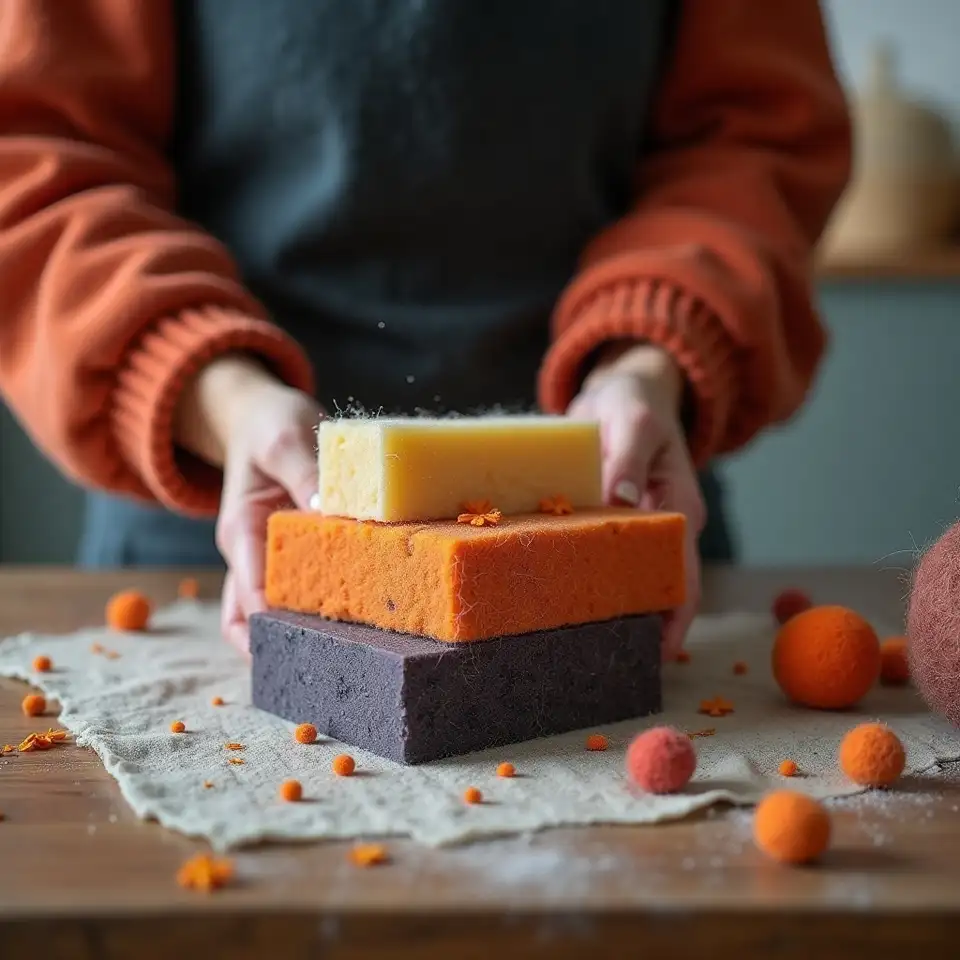
How Felted Soap Works
Felted soap isn’t a modern invention, but its popularity has risen with the search for crafts that combine daily ritual and sensory experience. I have witnessed both newcomers and experienced hands marvel at how felting transforms a basic bar into something lasting and memorable.
The process is direct: wrap wool around a bar of soap, wet it, and agitate until the fibers mesh into a solid, protective layer. This action bonds wool and soap in a way that makes both more resilient.
As you use the soap, the wool continues to felt, creating a lasting texture and preserving the soap inside. The result is a bar that’s both visually striking and functionally improved.
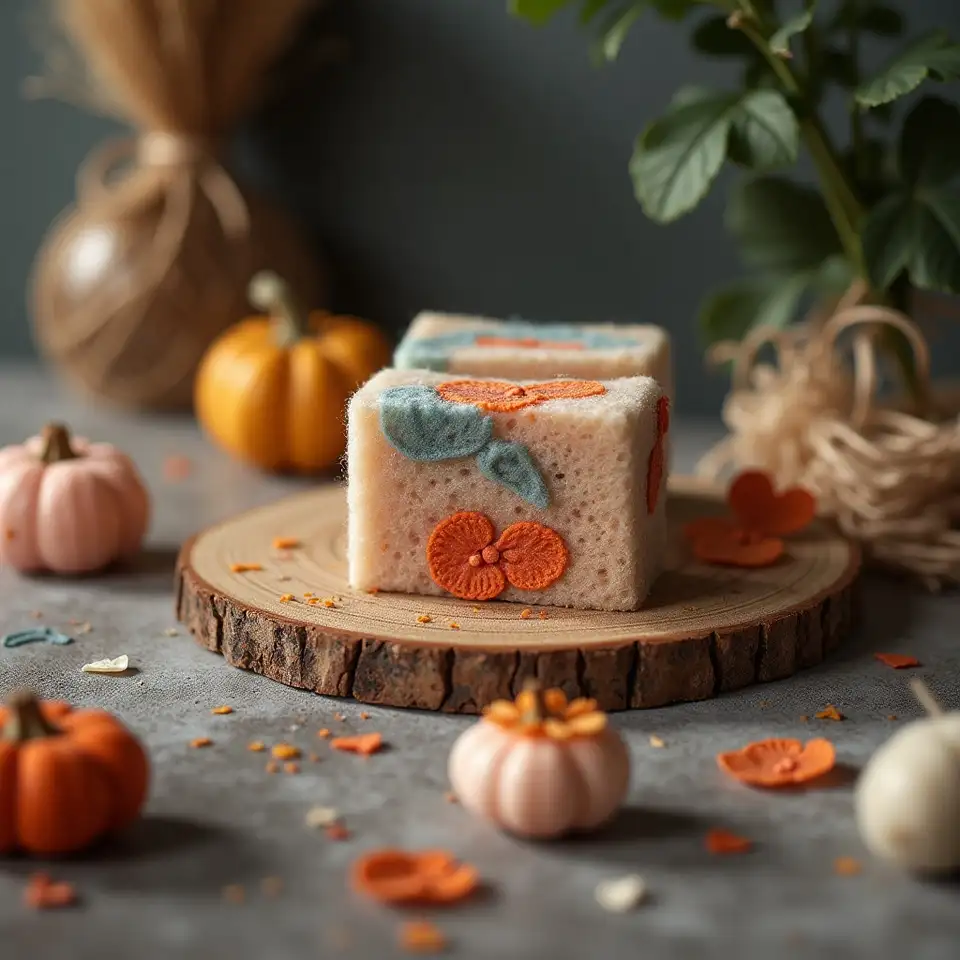
Origins and Evolution: A Craft That Endures
Felted soap’s origins and practice reveal how a simple technique continues to inspire, unite, and serve communities.
The history of felted soap is shaped by innovation, adaptation, and the daily habits of makers across generations.
What do newcomers ask most about felted soap? The answers often surprise me, revealing both practical curiosity and the mythologies that cling to handmade crafts.
Does the wool ever separate from the soap? If properly felted and cared for, it clings until the soap is gone. Can felted soap be used on delicate skin? Most people find it gentle, though personal sensitivity varies—when in doubt, try a patch test.
Will my soap go mouldy inside the wool? With proper drainage and between-use drying, this is rarely a concern. What happens when the soap is gone? The felt pouch can be composted or repurposed as a scrubber.
Are there unscented or hypoallergenic options? Absolutely—many makers, myself included, prefer unscented soap and unprocessed wool, especially for those sensitive to fragrance or additives.
Understanding Felted Soap Essentials
I have often been asked whether felted soap is just a novelty or if it offers something substantial. My answer comes from both experience and community voices: it is a practical, durable, and enjoyable craft. The felted layer helps soap last longer, provides gentle exfoliation, and makes each bar unique. Misconceptions persist, but evidence—from tradition and modern use—supports the enduring appeal and usefulness of felted soap.
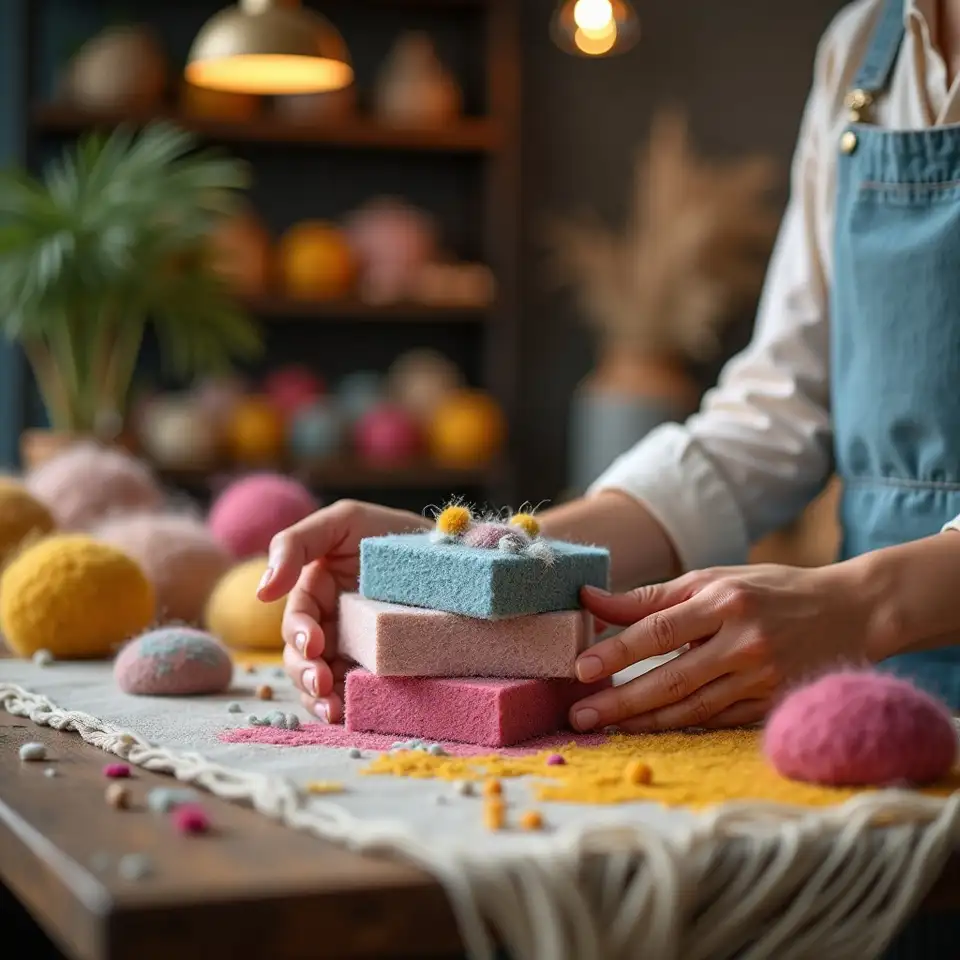
Caring for Felted Soap
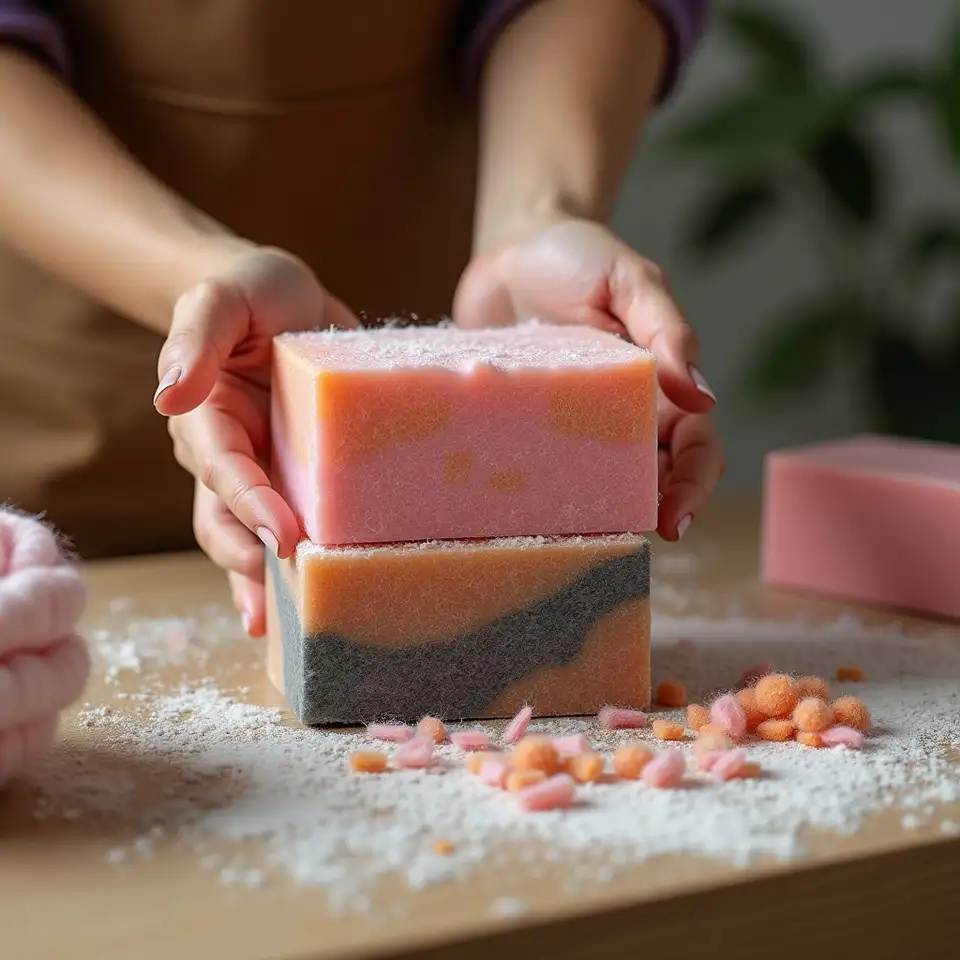
Care for felted soap is straightforward, though not always obvious to beginners. I recommend storing bars on a draining dish and allowing them to dry between uses to extend both the life of the soap and the felted layer. If you notice the wool loosening, a quick rinse in cool water and gentle pressing restores its shape. These small acts, learned from fellow makers and passed down, preserve the tactile pleasure and utility that define this craft. For specific care questions or concerns, feel free to reach out via the contact page—your inquiry may help others.
Ready to Learn More?
Still curious? Bring your questions and ideas to the table—our craft grows with each new voice.
The appeal of felted soap lies in its combination of craft, practicality, and the unexpected pleasure of daily use. Each bar is a tactile record of process—shaped by wool, water, and hands willing to experiment. If you still have questions about materials, care, or custom approaches, I invite you to reach out and join the ongoing conversation.
Ask a Question
Key Facts Every Felted Soap Enthusiast Should Know
When I look back on the stories surrounding felted soap, I find a thread running through every anecdote: practicality, enjoyment, and an evolving community of makers.
-
Extended Use
A felted soap bar can last longer than unwrapped soap when properly cared for, making it a favorite among those who value durability and craft.
-
Exfoliation Without Harshness
The gentle exfoliation provided by the wool makes these bars ideal for those seeking a mild yet effective wash, enhancing routine without extra effort.
-
Creativity and Utility Combined
Felting offers creative possibilities, from colour selection to patterning, making each soap an individual work of art as well as a functional tool.
-
A Canadian Craft with Global Roots
Canadian wool and locally made soaps bring a sense of place and connection, rooting this practice in regional craft traditions.